
LinkedIn thought leadership strategy is the process of consistently sharing expert insights, unique perspectives, and industry foresight to build trust and influence among a professional audience. For CEOs and founders in 2026, it is no longer a “nice-to-have” vanity project; it is the most effective way to shorten sales cycles and bypass the skepticism of modern B2B buyers.
If you are running a company, your personal brand is your most undervalued asset. At Bismarck World Media, we see it every day: prospects don’t want to talk to a faceless corporation. They want to buy from the person who wrote the definitive post on where their industry is headed.
Here is the reality: 75% of B2B decision-makers say that thought leadership content has a direct impact on which vendors they vet. If you aren’t visible, you aren’t in the room.
The CEO Paradox: Why Your Personal Brand Drives Company Leads
The ROI of a founder’s personal brand often outperforms the company page by a factor of 10x in reach and engagement. This happens because LinkedIn’s algorithm is inherently social. It prioritizes humans over logos.
When a CEO shares a raw lesson learned from a failed product launch, it signals authenticity and authority (E-E-A-T). When a company page shares the same story, it feels like PR. As a leading social media marketing agency mumbai, we advocate for a “Founder-First” distribution model.
Traditional Marketing vs. Thought Leadership
| Feature | Traditional B2B Marketing | LinkedIn Thought Leadership |
|---|---|---|
| Voice | Corporate / Neutral | Personal / Opinionated |
| Goal | Direct Lead Gen | Authority & Trust Building |
| Reach | Paid / Ad-heavy | Organic / Viral Potential |
| Trust Factor | Low (Skeptical) | High (Relatable) |
Phase 1: The Profile as a High-Converting Landing Page
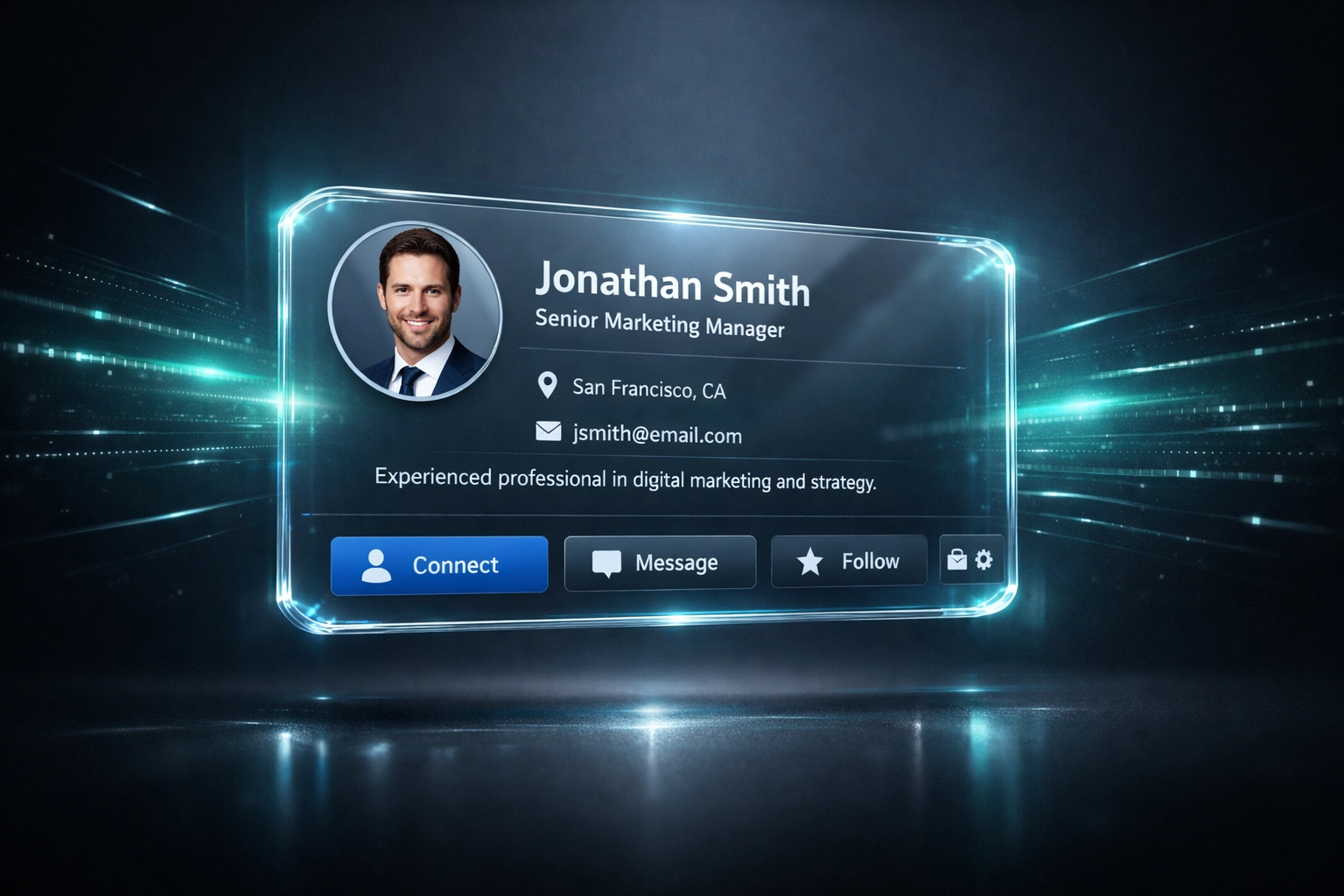
Stop treating your LinkedIn profile like a digital resume; start treating it like a high-converting landing page. Most founders make the mistake of listing their duties. Your audience doesn’t care what you do; they care what you can solve for them.
1. The Headline: Move beyond “CEO at Company X.” Use a formula like: [Job Title] | [Who you help] | [The result you deliver].
- Example: “CEO at Bismarck World Media | Helping B2B Tech Brands Scale via Content Strategy | 3x Pipeline Growth.”
2. The Featured Section: This is your prime real estate. Link to your best case studies, a high-value lead magnet, or your most viral post.
3. The About Section: Write in the first person. Start with a hook that addresses a common industry pain point. Explain your “Why” and end with a clear Call to Action (CTA).
Phase 2: The Four Pillars of B2B Content Strategy
A sustainable content strategy relies on four specific pillars that balance human relatability with professional expertise. You cannot just post “How-To” guides all day. You need to show your personality to build a real connection.
Pillar 1: Authority & Insights
Show, don’t just tell. Share your unique take on industry news, breakdown complex trends, or provide “contrarian” views.
- Pro-tip: If everyone in your industry is saying “A,” explain why “B” is actually the future. Polarization creates engagement.
Pillar 2: The “Behind-the-Scenes” (Personal)
People buy from people. Share the “messy middle” of building a business.
- The 5 AM routine (if it’s real).
- The biggest mistake you made this quarter.
- Photos of your team working on a project.
Pillar 3: Educational / Practical
Provide immediate value. Give away the “secret sauce.” In 2026, the brands that win are the ones that educate their customers the best. If you need help structuring this, partnering with a content marketing agency mumbai can help translate your internal knowledge into digestible LinkedIn posts.
Pillar 4: Social Proof & Results
Celebrate your clients’ wins. Instead of a boring “We are happy to announce…” post, tell the story of the transformation.
- Before: Client was losing $50k/month on inefficient ads.
- After: We implemented our performance marketing framework and hit 4x ROAS.
Phase 3: Mastering the LinkedIn Algorithm
The LinkedIn algorithm in 2026 rewards “Dwell Time” and “Meaningful Social Interactions.” If a user stops scrolling to read your long-form post or watch your video, LinkedIn boosts your reach.
- The “Golden Hour”: The first 60 minutes after you post are critical. Respond to every single comment immediately. This signals to the algorithm that the conversation is active.
- Formatting for Scannability: Use short, punchy sentences. Avoid “walls of text.” Use bullet points and bold text to highlight key takeaways.
- No External Links (Usually): LinkedIn wants to keep users on the platform. If you must link to your services page, put the link in the first comment or use the “Edit post” trick after 10 minutes.

Phase 4: The Engagement Strategy (The 80/20 Rule)
Thought leadership is not a monologue; it is a community conversation. You should spend 20% of your time creating and 80% of your time engaging.
1. Strategic Commenting: Identify 10-15 “Dream 100” prospects or industry influencers. Set alerts for their posts. Be the first to leave a thoughtful, value-add comment. “Great post!” is useless. “I agree, and here is a secondary perspective on that…” is a bridge-builder.
2. Inbound Lead Handling: When someone likes your post, don’t ignore them. If they fit your Ideal Customer Profile (ICP), send a soft connection request: “Hey [Name], saw you liked my post on B2B attribution. Curious if you’re seeing similar trends in your industry?”
3. The Content Loop: Use the questions people ask in your comments to fuel your next post. This ensures you are always writing about what your audience actually cares about.
Why Businesses Fail at LinkedIn Strategy
Most B2B brands fail because they lack consistency and a distinct point of view. They post three times a week for a month, see no “leads” in their inbox, and quit.
Reality: Thought leadership is a compounding asset. The “Invisible Pipeline” is real. You might get 50 likes on a post, but the most important person, the one who signs the $100k contract, might just be lurking and reading every word until they are ready to buy.
At Bismarck World Media, we help executives navigate this by providing a structured framework for branding and marketing services. We take the heavy lifting of content creation off your plate while keeping your authentic voice front and center.
Pro-Tips for 2026
- Use Video: Native LinkedIn video and “Shorts-style” content are seeing massive reach. Record a 60-second tip on your phone and post it raw.
- AI as a Co-Pilot, Not the Pilot: Use AI to brainstorm hooks or summarize your thoughts, but never copy-paste. AI content is easy to spot and destroys trust instantly.
- Employee Advocacy: Encourage your leadership team to engage with each other’s content. This “halo effect” expands the brand’s reach exponentially.

Final Thoughts: Start Before You Are “Ready”
You don’t need a perfectly polished strategy to start. You need a perspective. Every day you aren’t building your authority on LinkedIn is a day a competitor is capturing the mindshare of your future clients.
Building a dominant presence in competitive niches requires a blend of search engine optimization for your profile and a relentless commitment to value-first content.
Ready to turn your leadership team into a lead-generation machine? Explore our social media marketing solutions and let’s start building your search dominance today.
FAQs
How often should a CEO post on LinkedIn?
Aim for 3-4 times per week. Consistency is more important than daily posting. If you can only manage twice a week, stick to that religiously.
Should I use my company page or my personal profile?
Both, but prioritize your personal profile. Use the company page for official news, hiring, and case studies, but lead the conversation through your personal handle.
How do I measure the ROI of thought leadership?
Look at “leading indicators” like profile views from target companies, inbound connection requests from decision-makers, and mentions in sales calls. “I saw your post on LinkedIn” is the ultimate KPI.
Do I need a professional photographer?
Not necessarily. High-quality smartphone photos often feel more authentic and perform better than overly staged corporate headshots.
Can I outsource my LinkedIn content?
Yes, but with a caveat. You must provide the “soul” of the content: the ideas, the stories, and the opinions. A content marketing agency mumbai can then polish, format, and distribute those ideas to maximize impact.