
Performance marketing is a comprehensive strategy where brands pay only when specific, measurable actions: such as a lead, a sale, or a click: are completed. In 2026, it has evolved from a simple advertising tactic into a sophisticated content and data engine that fuels the rapid scaling of Indian enterprises and D2C brands.
For brands serious about digital revenue, the era of “brand awareness” without accountability is over. Today, every rupee spent must be traceable to a business outcome. Whether you are a legacy brand or a rising startup, understanding the mechanics of high-conversion performance marketing is the only way to dominate the Indian market.
The State of Performance Marketing in India (2026)
The Indian digital advertising landscape has crossed a valuation of ₹35,000 crore, driven largely by the explosive growth of internet users in Tier-2 and Tier-3 cities. This surge has created a massive data goldmine.
Performance marketing allows you to tap into this data with surgical precision. Unlike traditional marketing, which casts a wide net, performance marketing utilizes AI-led automation and hyper-personalized targeting to reach the right user at the exact moment of intent.
Why Mumbai is the Performance Capital
Mumbai has emerged as the definitive hub for technical marketing. Partnering with a performance marketing agency in Mumbai gives brands access to a unique ecosystem of talent that understands both the creative nuances of Indian consumers and the technical rigor of global platforms. Local expertise is critical when navigating the diverse linguistic and cultural demographics of the Indian subcontinent.

The Core Pillars of a Scalable Performance Strategy
To scale successfully, you cannot rely on a single channel. A robust playbook integrates multiple high-intent touchpoints into a unified conversion machine.
1. Paid Search (PPC) and Intent Capture
Search is where demand is captured. By leveraging a specialized ppc agency in Mumbai, brands can dominate the SERPs (Search Engine Results Pages) for high-intent keywords. In 2026, this involves more than just bidding; it requires NLP (Natural Language Processing) optimization to align with how users search via voice and conversational AI.
- Best for: Immediate lead generation and high-ticket sales.
- Key Platforms: Google Ads, Bing.
- Pro-Tip: Focus on “long-tail” transactional keywords to lower your CPA (Cost Per Acquisition).
2. Meta and Social Commerce
Social platforms like Instagram and Facebook remain the kings of discovery. Performance here relies on UGC (User-Generated Content) and dynamic creative optimization. High-growth brands use social media not just for likes, but as a direct revenue driver through integrated shops and checkout features.
- Best for: D2C scaling and brand discovery.
- Internal Resource: Learn more about our Social Media Marketing services.
3. Programmatic and Retargeting
Most users do not convert on their first visit. Retargeting ensures that your brand remains top-of-mind by serving personalized ads to users who have previously interacted with your website. This is often the most profitable segment of a performance portfolio.
The 5-Step Roadmap to Scaling Your Brand
Scaling a brand from ₹1 Crore to ₹100 Crore in digital revenue requires a repeatable framework. Here is the Bismarck World Media implementation roadmap.
Step 1: Define Hard Conversions
Stop measuring “engagement.” Define what a conversion means for your business:
- Is it a completed checkout?
- A qualified B2B lead?
- A WhatsApp inquiry?
Execute by setting up server-side tracking to ensure 100% data accuracy despite browser privacy changes.
Step 2: Infrastructure Audit
Before spending a single rupee on ads, your landing pages must be optimized for speed and conversion.
- Reality: A one-second delay in page load can result in a 7% drop in conversions.
- Ensure your site has a seamless UI/UX design and integrated payment gateways including UPI and COD for the Indian market.
Step 3: Hyper-Localized Targeting
India is not one market; it is twenty markets in one. Use vernacular ad copies and localized creative assets to resonate with audiences in different states. This “regional-first” approach significantly improves CTR (Click-Through Rate) and brand trust.
Step 4: AI-Driven Optimization
Utilize machine learning algorithms to automate bidding and creative testing. Instead of manual adjustments, let AI analyze thousands of data points to shift budget in real-time to the highest-performing segments.
Step 5: The “Scale-Up” Phase
Once you achieve a stable ROAS (Return on Ad Spend), increase your budgets incrementally. Scaling too fast can break your pixel’s learning phase; scaling too slow allows competitors to capture your market share.

Sector-Specific Strategies: D2C vs. B2B
While the tools are the same, the execution differs wildly based on your business model.
For D2C Brands: The Volume Game
D2C success in India is built on Customer Lifetime Value (LTV).
- Strategy: Use performance marketing to acquire the first customer, then use Email Marketing and SMS to drive repeat purchases.
- Key Trend: Integrating WhatsApp Commerce to reduce cart abandonment.
For B2B Brands: The Authority Game
B2B performance marketing is about building trust and nurturing long sales cycles.
- Strategy: Use LinkedIn for precise job-title targeting and Google Search for problem-solving queries.
- Focus: Quality over quantity. 10 highly qualified MQLs (Marketing Qualified Leads) are more valuable than 1,000 random clicks.
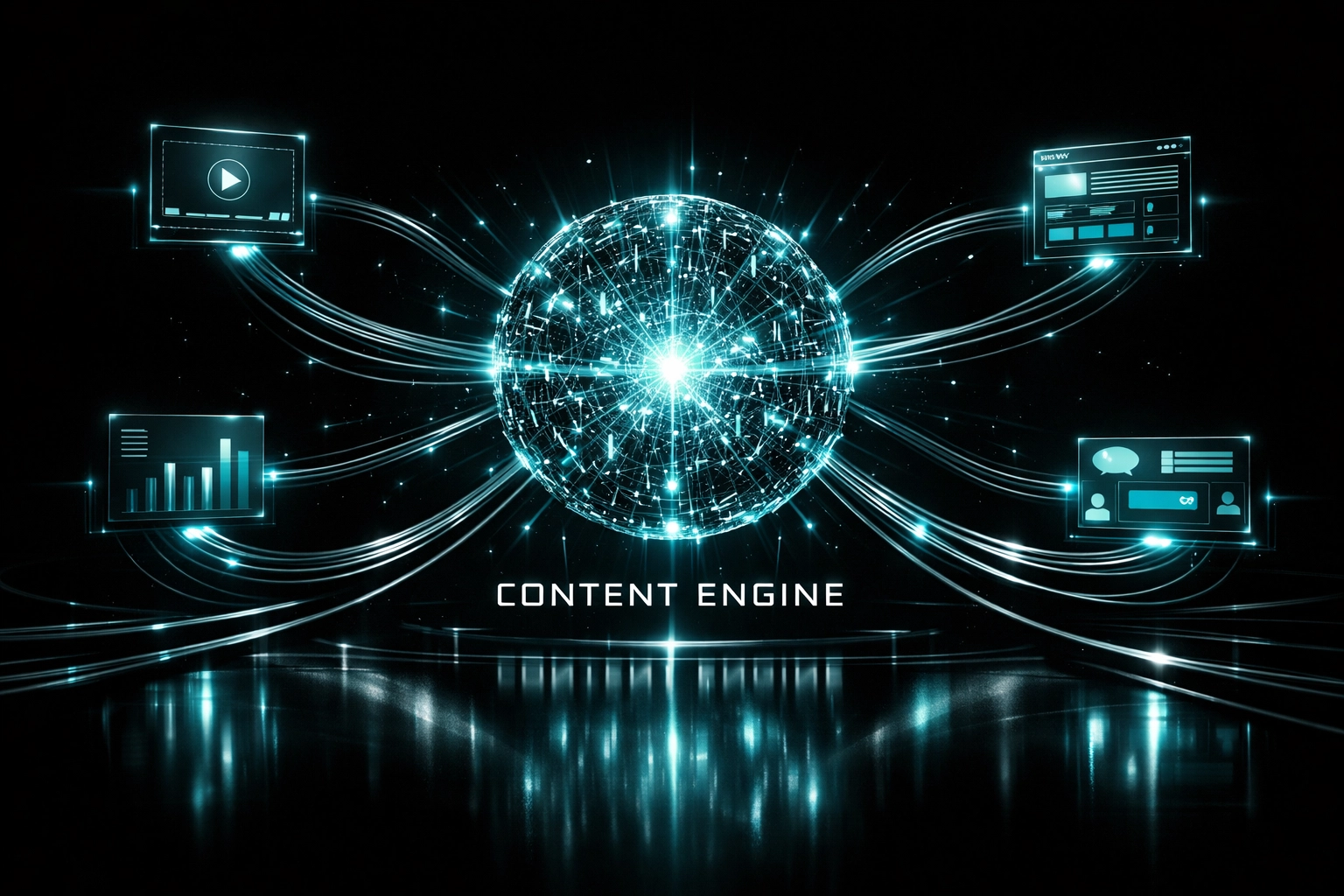
The Tech Stack: Your Growth Engine
A modern performance marketing agency in Mumbai must leverage a sophisticated tech stack to maintain a competitive edge. To scale in 2026, your business needs:
| Tool Category | Purpose | Recommended Examples |
|---|---|---|
| CRM | Lead management and nurturing | HubSpot, Salesforce |
| CDP | Unified 360-degree customer view | MoEngage, CleverTap |
| Analytics | Tracking behavior and attribution | GA4, Mixpanel |
| Creative | Rapid asset generation | Canva, Adobe Firefly |
Critical Metrics: Measuring What Actually Matters
Many brands get lost in “vanity metrics.” To scale digital revenue, focus on these four KPIs:
- CPA (Cost Per Acquisition): How much does it cost to get one paying customer?
- ROAS (Return on Ad Spend): For every ₹1 spent, how much revenue is generated?
- MER (Marketing Efficiency Ratio): Total Revenue divided by Total Marketing Spend. This gives you the “big picture” of your marketing health.
- LTV/CAC Ratio: The ultimate survival metric. Your customer’s lifetime value should be at least 3x the cost of acquiring them.
Performance Marketing Myths vs. Reality
- Myth: Performance marketing is only for big brands with massive budgets.
- Reality: Performance marketing is actually more critical for SMEs because it ensures that every rupee of a limited budget is spent efficiently.
- Myth: You can set ads and forget them.
- Reality: High-performance accounts require weekly optimization of assets and daily monitoring of bid strategies.
- Myth: More traffic equals more sales.
- Reality: Low-quality traffic just inflates your bounce rate. Targeted, high-intent traffic is the only traffic that converts.
Pro-Tips for 2026
- Vernacular is Non-Negotiable: With the next 200 million internet users coming from non-metro areas, your ads must speak their language.
- Video First: Static images are losing ground. Invest in Video Production to create short-form, high-impact video ads for Reels and YouTube Shorts.
- Zero-Party Data: Start collecting data directly from your users (via quizzes or surveys) to combat the loss of third-party cookies.
Final Thoughts
Scaling an Indian brand in the current digital climate requires more than just “running ads.” It requires a scientific approach to creative, data, and technology. By focusing on an ROI-driven framework and partnering with an expert Performance Marketing team, you can transform your digital presence from a cost center into a high-octane revenue engine.
Ready to dominate your sector? Explore our Case Studies to see how we’ve scaled brands across India.
FAQs
1. How long does it take to see results from performance marketing?
While you may see clicks immediately, it typically takes 4 to 6 weeks for algorithms to exit the “learning phase” and start delivering optimized ROI.
2. Why should I hire a ppc agency in Mumbai instead of an in-house team?
Agencies have cross-industry insights and direct access to platform betas (like Google and Meta) that in-house teams often lack. This perspective allows for faster pivoting and better strategy.
3. Is SEO part of performance marketing?
While often categorized separately, SEO is a critical component of performance because it lowers your blended CAC by providing “free” organic conversions.
4. What is a “good” ROAS for Indian eCommerce?
This varies by industry, but generally, a 3x to 5x ROAS is considered healthy for most D2C categories to remain profitable after COGS and shipping.